
Debunking casino myths What everyone gets wrong about gambling
The Illusion of Control in Gambling
One of the most pervasive myths surrounding gambling is the belief that players can control the outcome of games through strategy or skill. While skill can play a role in some games, such as poker, many casino games are predominantly based on chance. The random number generators used in slot machines and the shuffled decks in card games ensure that outcomes are unpredictable and cannot be manipulated by players. Therefore, choosing a casino with paypal can lead to a smoother experience without the illusion of control.
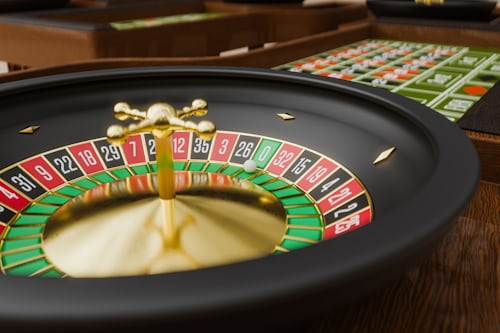
This misunderstanding often leads gamblers to believe they can employ specific strategies to ‘beat the house.’ In reality, while certain strategies may enhance the experience or improve decisions in skill-based games, the inherent house edge remains. Understanding this can help players manage expectations and approach gambling more responsibly.
The Role of Luck vs. Skill
The debate over whether luck or skill plays a more significant role in gambling is a hot topic among enthusiasts. Many believe that luck is the primary factor influencing wins and losses. Indeed, in games like roulette or slots, players are at the mercy of random outcomes. However, games such as blackjack or poker require a considerable amount of skill, strategy, and psychological insight.
Ultimately, both luck and skill coexist in the world of gambling. While a skilled player might make more informed decisions, luck can shift the balance unexpectedly. Recognizing this duality can lead to a more nuanced understanding of how different games operate and how to approach them strategically.
The Myth of the ‘Hot’ or ‘Cold’ Streaks
Many gamblers believe in the existence of ‘hot’ and ‘cold’ streaks, where they think certain machines or tables are due for a win or a loss. This belief is rooted in the gambler’s fallacy—the incorrect assumption that past results influence future outcomes. In reality, every game round is independent, and the previous outcomes have no bearing on future results.
Understanding that each spin or deal is a separate event can help players avoid making costly decisions based on superstition. It encourages a more logical approach to gambling, focusing on strategies that are more likely to yield positive results in the long term rather than relying on myths and misconceptions.
The Influence of Casino Design and Atmosphere
Another common misconception is that casinos are designed solely to maximize player enjoyment. While the atmosphere, lighting, and music create an immersive experience, they are also meticulously engineered to encourage more gambling. The layout of a casino often leads players deeper into the venue, making it easy to lose track of time and money spent.
The strategic placement of games, along with the use of free drinks and enticing visuals, can manipulate player behavior. Understanding these tactics can empower players to remain aware of their surroundings and make more informed choices about their gambling habits, rather than falling prey to the environment designed to keep them playing longer.

Exploring Responsible Gambling Resources
As gambling continues to gain popularity, it is essential to prioritize responsible gaming practices. Many reputable casinos provide resources to help players stay within their limits, including self-exclusion programs and budgeting tools. Recognizing the risks associated with gambling is crucial in enjoying the experience without detrimental effects.
Additionally, seeking out platforms that advocate for responsible gambling can enhance the overall experience. By fostering an understanding of the realities of gambling and utilizing available resources, players can strike a balance between entertainment and responsibility, ensuring a positive approach to their gaming adventures.
